Seasonal changes bring about significant shifts in temperature and weather conditions, which in turn affect the performance of heating equipment. Understanding these dynamics is crucial for homeowners and business owners alike, as it can lead to improved efficiency, reduced costs, and extended lifespan of heating systems.
Heating systems, whether residential or commercial, are designed to maintain a comfortable indoor environment during colder months. However, their efficiency can fluctuate dramatically based on external temperatures, humidity levels, and even the presence of snow or ice. Each season presents unique challenges and considerations that can impact the operation of hot water tanks and various types of heaters.
Winter Challenges
During winter, when temperatures drop significantly, heating equipment must work harder to keep spaces warm. This increased services for commercial water heaters demand can lead to several issues:
Increased Energy Consumption: As outside temperatures plummet, heating systems use more energy to maintain desired indoor temperatures. Homeowners often notice a spike in their utility bills during these months. Regular maintenance can help mitigate some of this increase by ensuring that systems run efficiently.
Potential for Breakdown: The strain on heating equipment during winter can lead to mechanical failures if preventive measures are not taken. Common issues include pilot light problems or thermostat malfunctions that may require professional water heater repair services.
Sediment Buildup: In hot water tanks, sediment accumulation becomes more pronounced during winter due to the increased use of hot water for bathing and cooking. This buildup affects heating efficiency and may necessitate a water heater flushing service.
Cold Weather Impacts: Extremely low temperatures can cause pipes to freeze, leading to leaks or bursts in plumbing connected to heating systems. This situation can be exacerbated by inadequate insulation around pipes or insufficiently sized heating elements.
Thermostat Settings: Adjusting thermostat settings appropriately is vital during winter months. A common mistake is setting thermostats too high in an effort to combat the cold; however, maintaining a steady temperature will often yield better results while conserving energy.
Spring Transition
As spring approaches, temperatures begin to stabilize but remain unpredictable at times. This transition period is an excellent opportunity for homeowners and businesses to prepare their heating equipment for summer months:
- System Inspection: Conducting a thorough inspection of the heating system helps identify any underlying issues before they become significant problems later on. Maintenance Services: Scheduling professional water heater services ahead of the peak season allows technicians to perform necessary repairs or replacements without the urgency brought on by colder weather. Pilot Light Checks: Ensuring that pilot lights are functioning properly prevents potential no hot water situations when they are most needed. Pressure Relief Valve Functionality: Testing the pressure relief valve is critical as it ensures safe operation under varying temperature conditions. Expansion Tank Review: If equipped with an expansion tank for your system, having it inspected ensures that it will function correctly through fluctuating pressures during seasonal transitions.
Summer Considerations
Though summer may not seem like a time for heating concerns, it's essential not to neglect your systems entirely:
Heat Exposure: High outdoor temperatures can affect how well your heating equipment performs when called upon unexpectedly—for instance, when using a hot water tank for showers after working outdoors or completing chores around the house.
Water Heater Efficiency: If your system uses electricity or gas for cooling (like heat pumps), ensure that those components are well-maintained; neglect could lead to suboptimal performance when transitioning back into colder seasons.
Water Usage Patterns: Increased summer usage of hot water for activities like washing clothes or filling swimming pools means your system might be under extra strain—monitoring its performance closely will help catch any issues early on.
Anode Rod Replacement: Consider replacing anode rods in your hot water tank every few years during summer maintenance checkups; this proactive step helps prevent rust buildup inside tanks affected by higher heat levels.
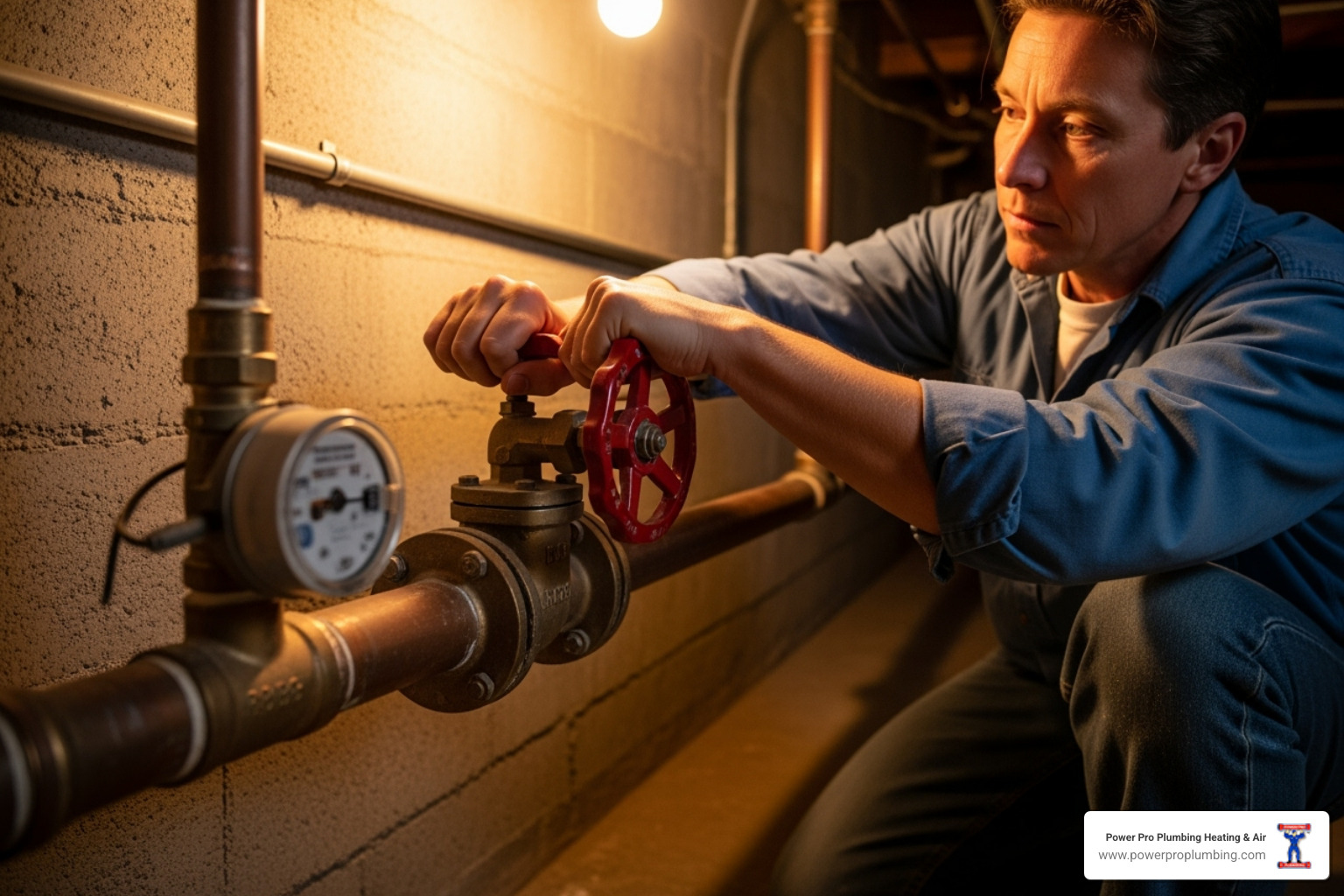
Sediment Management: Continue regular sediment flushes throughout warmer months as well—keeping tanks clean enhances overall efficiency regardless of temperature variations outside.
Fall Preparation
As autumn approaches with cooler days and longer nights, it’s time for homeowners and businesses alike to prepare their heating systems:
Pre-Winter Maintenance
Conducting pre-winter maintenance should be high on everyone’s priority list:
- Inspecting all components of your heating system ensures it will operate efficiently once cold weather sets in. Scheduling commercial water heater service appointments earlier can prevent long wait times once everyone else begins seeking repairs as winter approaches. Checking insulation around pipes helps prevent freezing and bursting during extreme cold snaps later in the season. Ensuring proper airflow around units protects against overheating while maximizing efficiency—this applies both indoors (for forced air systems) and outdoors (for heat pumps).
Re-evaluating Thermostat Settings
With changing daylight hours influencing natural temperature fluctuations indoors—consider adjusting thermostats slightly downward from summer settings—to strike a balance between comfort without overexerting your system unnecessarily right away.
Identifying Potential Problems
During fall inspections pay attention not only toward routine tasks but also look out for signs like unusual noises from boilers or radiant heaters that might indicate impending issues needing attention before winter arises fully upon us again!
Long-Term Considerations
Understanding how seasons impact performance leads toward smart choices regarding repairs versus replacements over time—while it may prove tempting simply fix something temporarily instead investing upfront into quality materials/components initially could save significant costs downline! For example:
If you routinely face issues such as leaking from aging appliances consider upgrading rather than repairing repeatedly year after year—even though initial costs feel daunting upfront they often pay off quickly through lower utility bills combined with fewer repair needs over time!
When evaluating options always think about energy-efficient models available today—they offer substantial savings compared older less efficient counterparts while providing consistent reliable service when properly maintained throughout changing climates/seasons ahead!
An informed decision-making process requires weighing trade-offs carefully against urgency stemming from immediate concerns—balance short-term fixes alongside long-term benefits achieved through thoughtful planning/maintenance practices across seasons!
By paying close attention to how seasonal changes affect heating equipment performance along with implementing practical solutions tailored specifically addressing each challenge presented year-round; individuals/businesses alike stand poised maximize potential savings ultimately achieved through responsible stewardship over valuable resources invested into their homes/offices alike!